
Real Christmas Tree vs. Artificial Tree: Which Is Better for the Environment (and for YOU)?
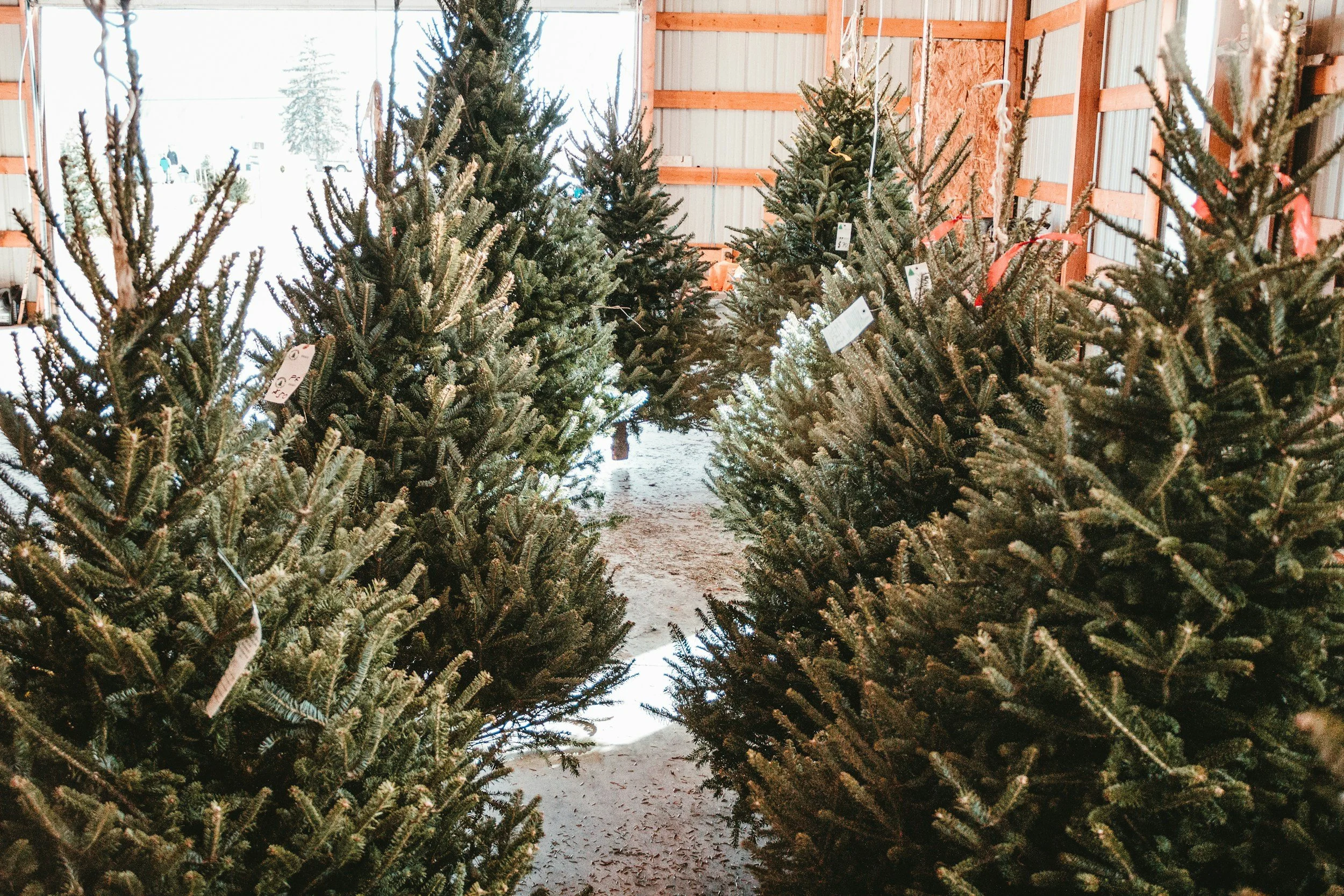
When the holiday season rolls in, so does one of the most heated debates in eco-friendly living: Is it better to buy a real Christmas tree or invest in a reusable artificial one?
From sustainability myths to family traditions, cost, and pure aesthetics, both options come with pros, cons, and a whole lot of emotion. Let’s break down the environmental impact, what the research says about consumer habits, and the key factors that will help you pick the tree that fits your holiday lifestyle.
The Real vs. Fake Tree Debate: What Most People Actually Choose
According to the American Christmas Tree Association (ACTA) and the National Christmas Tree Association:
75–80% of U.S. households use artificial trees.
Only 20–25% choose real trees each year.
Sales of artificial trees increase annually, while real tree sales fluctuate based on weather, availability, and cost.
So while many people claim to love the “fresh pine smell,” most households are decorating with a tree made of PVC and metal.
Environmental Impact: Which Tree Is Truly Greener?
This debate gets tangled fast, so let’s simplify it with research-backed insights.
✔️ Real Christmas Trees: The Eco Breakdown
Real trees are grown on farms just like crops—not plucked from pristine forests. They help support soil health, wildlife habitat, and small local farmers.
Environmental benefits of real trees:
100% biodegradable
Can be composted or chipped into mulch
While growing, each tree absorbs over 1 ton of CO₂ in its lifetime
Supports local agriculture
What about cutting them down?
For every tree harvested, U.S. growers plant 1–3 new trees, so the cycle continues sustainably.
Carbon footprint:
A real Christmas tree used for one season has an estimated footprint of around 3.5 kg CO₂ (mostly from transport).
✔️ Artificial Christmas Trees: The Eco Breakdown
Artificial trees are made from PVC plastic, steel, and sometimes lead-based stabilizers. They’re produced overseas, shipped across the globe, and are not recyclable.
Environmental concerns of fake trees:
Made of petroleum-based plastics
Will eventually end up in a landfill
Shipping emissions contribute heavily to carbon footprint
BUT—artificial trees can be eco-friendly if you keep them long enough.
Research shows you need to use an artificial tree for at least 8–10 years to offset the environmental impact of manufacturing and shipping.
Carbon footprint:
The average artificial tree has a footprint of 40 kg CO₂—or roughly 10x higher than a real tree per year unless it’s reused for a decade.
So… Which Tree Is More Environmentally Friendly?
The greener choice for most households is the REAL tree, especially if:
You buy from a local farm
You compost, mulch, or recycle it after the holidays
Artificial trees begin to make sense only if:
You reuse the same tree for 10+ years
You avoid cheaply made trees with higher toxic materials
You don’t have access to real tree recycling programs
In short: Real trees win, but long-term artificial tree users can still be responsible consumers with the right approach.
How to Choose the Right Tree for Your Lifestyle
Let’s be honest—not everyone is picking a tree solely based on carbon footprint. Your lifestyle, budget, storage space, kids, pets, and personal style all matter!
Here’s a simple guide:
Choose a REAL Tree If…
You love the smell of fresh pine and the nostalgia of tree farms
You want the lowest carbon footprint
You enjoy seasonal traditions
You want to support local growers
Your home doesn’t have long-term storage space
You can recycle or compost your tree locally
Budget: $60–$150 per year depending on size and region
Aesthetic vibe: Natural, cozy, imperfect, traditional
Choose an ARTIFICIAL Tree If…
You want a one-time investment rather than a yearly expense
You love symmetry and the “full, fluffy look”
You need a non-shedding, non-allergenic option
You prefer convenience and quick setup
You don’t have access to real-tree recycling programs
You plan to keep the tree 10 years or more
Budget: $100–$600 upfront
Aesthetic vibe: Polished, modern, perfectly shaped
✨ Extra Things to Consider
Allergies
Real trees may bring pollen or mold indoors. Artificial trees gather dust but don’t have natural allergens.
Pets
Cats often climb real trees but may also chew fake branches made of PVC. Choose wisely based on your pet’s personality.
Kids
Real trees create sensory experiences (texture, scent, tradition), but artificial trees can be more predictable and stable for toddlers.
Storage
Real trees require no storage at all. Artificial trees often need a large closet or attic space.
Fire Risk
Both tree types can be safe when maintained properly.
Real trees must be watered; artificial trees should be flame-retardant certified.
Final Thoughts: The Tree You Choose Should Bring You Joy
The “right” tree isn’t just the greenest option—it’s the one that fits your home, your traditions, your values, and your energy level during an already busy season. Whether you’re team fresh pine or team flawless faux, choose what works for your family—and don’t let anyone shame you for your decision.
Decorating a tree is about connection, memory-making, and creating a little holiday magic… not perfection.