

Where gardening, homesteading, family, and simple sustainable living all come together.


Planning & Preparing – Know Your Climate Before You Grow
Before you ever drop a seed into the soil, there’s one step that separates successful gardeners from frustrated beginners: understanding your climate.
Before you ever drop a seed into the soil, there’s one step that separates successful gardeners from frustrated beginners: understanding your climate.
At My Carolina Homestead, we believe that gardening isn’t about copying what works on social media — it’s about learning what works where you live. Your climate determines everything: when you plant, what you plant, and how you care for it. Whether you’re growing on a balcony, a backyard, or a full-sized homestead, knowing your local conditions helps you garden smarter, not harder.
Why Knowing Your Climate Matters
Think of your garden like a relationship — if you don’t take time to understand it, it probably won’t thrive.
Your climate zone, microclimate, and seasonal weather patterns dictate how plants grow. Knowing these key details allows you to choose the right plants, plant them at the right time, and give them the care they need to flourish.
Here in Zone 8a (the Piedmont region of North Carolina), for example, we enjoy long growing seasons, mild winters, and hot, humid summers. That means we can grow cool-season crops like lettuce and broccoli in early spring and fall, and heat-lovers like tomatoes, peppers, and okra in summer.
Without understanding that rhythm, many beginners end up planting too early, too late, or choosing varieties that can’t handle our heat or humidity.
Step 1: Find Your USDA Plant Hardiness Zone
Your USDA Hardiness Zone is the starting point for understanding your climate. This map divides North America into zones based on the average annual minimum winter temperature.
Here’s how to find yours:
Go to planthardiness.ars.usda.gov.
Enter your ZIP code.
Note your zone number (for example, Zone 8a = 10–15°F minimum winter temps).
Once you know your zone, you can choose plants that are hardy for your area. Many seed packets and plant tags include this information, helping you make smarter choices from the start. That’s all this little number tells you as a home gardener, but it’s still pretty important to know!
Step 2: Understand Your Microclimates
Even within the same zone, no two gardens are identical. Microclimates are small pockets of varying temperature, light, and moisture — like the shady side of your house, a sunny patio, or a low spot where water collects.
Here at My Carolina Homestead, we encourage new gardeners to observe their space for at least a week before planting:
Watch where the sun hits morning and afternoon.
Notice which areas stay damp after rain.
Pay attention to wind direction and frost pockets.
Knowing your microclimates helps you place plants where they’ll thrive — like putting heat-loving herbs near a south-facing wall or tucking lettuces into cooler, shaded corners.
Step 3: Track Your Frost Dates
Your first and last frost dates tell you when it’s safe to plant tender crops and when to expect your growing season to end.
In Zone 8a, our average last frost is around mid-March, and our first frost usually comes in early November. That gives us a long window to grow spring, summer, and even fall gardens.
Mark these dates on your gardening calendar. When in doubt, plant in succession — sowing seeds every few weeks — to stretch your harvest and hedge against weather surprises.
Step 4: Learn Your Soil and Rain Patterns
Your soil and rainfall go hand in hand with climate. North Carolina’s red clay soil, for instance, is rich in nutrients but can be heavy and slow-draining. Understanding that helps you know whether to amend with compost, raise your beds, or add mulch to retain moisture during hot spells.
Here’s how to start:
Test your soil. You can send samples to the North Carolina Department of Agriculture for free most of the year.
Track rainfall. Most plants need about 1 inch of water per week. Use a rain gauge or even an old can to measure how much nature provides.
Adjust your watering habits based on season — less in cool months, more in high summer.
When you know your soil and water patterns, you waste less time, money, and effort.
Step 5: Choose Plants That Fit Your Climate
Once you understand your zone and soil, you can choose plants that thrive where you live. Here are a few examples for Zone 8a gardeners:
🌿 Spring: Lettuce, peas, kale, carrots, radishes
🌼 Summer: Tomatoes, peppers, basil, zinnias, okra
🥬 Fall: Broccoli, collards, spinach, beets, garlic
🌱 Winter: Cover crops like crimson clover or winter rye
Planting what fits your climate means less struggle — and a healthier, more productive garden.
The 5 for 5 Gardening Method
At My Carolina Homestead, we teach gardening using our 5 for 5 Method — a simple, sustainable system that helps you grow confidently even as a beginner.
The five pillars are:
Plan – Know your climate, space, and goals.
Build – Create a healthy foundation with soil prep and structure.
Implement – Plant smartly using your zone and frost dates.
Maintain – Water, mulch, and manage pests organically.
Record – Track your results and learn from each season.
By following this cycle, you’ll grow a garden that fits your life and your local environment — one that feeds both your family and your soul with just five minutes a day.
Bring It All Together
Planning and preparation are the quiet heroes of gardening success. When you understand your local climate and work with nature instead of against it, you set yourself up for a thriving, low-stress garden.
Whether you’re growing a few pots of herbs or a full backyard vegetable patch, take time to observe your environment, learn your zone, and plan for success. Every garden starts with knowledge — and that’s something we can all cultivate.
Ready to Grow with Us?
If you’re just starting your garden journey, we’d love to walk alongside you. 🌿
Join our free Modern Homesteading Mamas community to get tips, tricks, and tutorials on gardening the 5 for 5 style— all in one place or delivered straight to your inbox. You’ll learn how to grow smarter, save money, and feel confident from seed to harvest. Better yet have us come out and get your garden started for you!
👉 Join today and get the full “How To Start A Garden” Series Checklist to start your garden the My Carolina Homestead way!
Start your garden journey off on the right foot— find the full know your climate kit in our Garden Companion Journal!
Beginner’s Guide to Gardening in North Carolina’s Piedmont
Gardening in North Carolina can feel overwhelming if you’re just starting out — the heavy clay soil, unpredictable weather, and endless plant choices can leave anyone second guessing. But I want you to know: you can grow a thriving garden here, no matter your space or budget.
Gardening in North Carolina can feel overwhelming if you’re just starting out — the heavy clay soil, unpredictable weather, and endless plant choices can leave anyone second guessing. But I want you to know: you can grow a thriving garden here, no matter your space or budget.
In this guide, I’ll walk you through the basics I share with all my coaching clients.
1. Start with the Soil
North Carolina’s Piedmont region is famous (or infamous!) for its red clay. In-ground gardening is absolutely doable, but it will cost you in the long run — not just in money for endless soil amendments, but in the time and energy it takes to keep that soil balanced and workable. Clay compacts easily, drains poorly, and can frustrate even experienced gardeners.
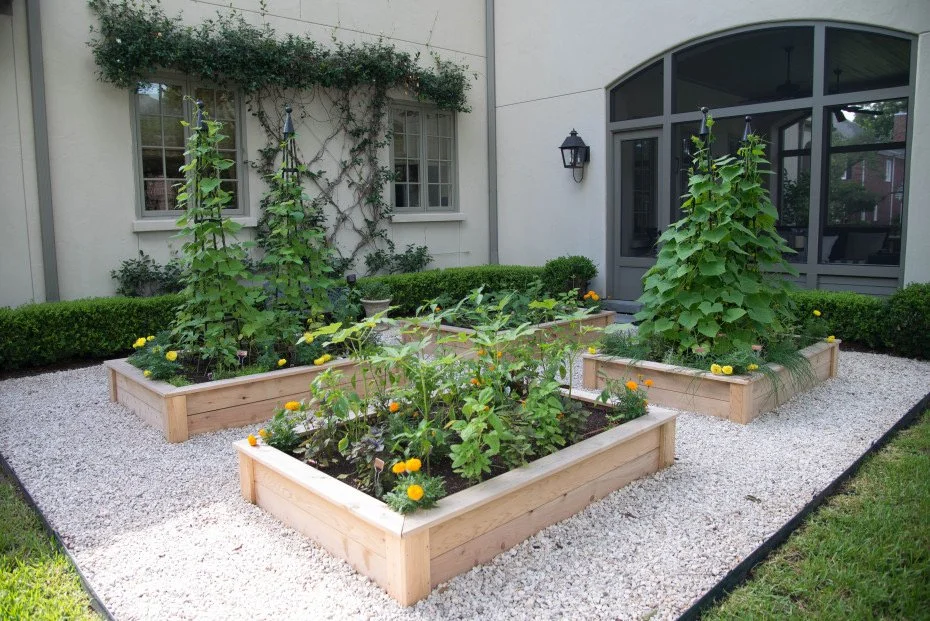
That’s why I encourage most beginners to start with raised garden beds. Yes, there’s an upfront cost to build and fill them, but the payoff is huge:
You get complete control over your soil from the start.
Weeds are less of a problem.
Beds warm up earlier in spring and hold moisture better in summer.
Success comes faster, with fewer headaches, so you build confidence and momentum.
Think of raised beds as an investment in your garden journey. Do it right once, and you’ll enjoy seasons of success.Be clear, be confident and don’t overthink it. The beauty of your story is that it’s going to continue to evolve and your site can evolve with it. Your goal should be to make it feel right for right now. Later will take care of itself. It always does.
2. Plant for the Season
One of the greatest gifts of gardening in Zone 8a is that we can grow food year-round with a little preparation and patience. Spring and fall bring cool-weather crops like leafy greens, peas, and carrots. Summer bursts with tomatoes, peppers, squash, and okra. Even in winter, you can harvest kale, collards, and root crops if you plan ahead and use row covers or cold frames.
When you understand our four true growing seasons, there’s always something to look forward to in the garden. With a seasonal mindset, you’ll never have to experience that long “off season” many gardeners face elsewhere.
3. Water Wisely
Irrigation isn’t a luxury in our region — it’s a necessity. Between scorching summer heat and unpredictable rainfall, your plants can quickly suffer from being under-watered or over-watered.
A simple drip irrigation or soaker hose system will:
Save you hours of hand watering.
Deliver water right where plants need it — at the roots.
Keep foliage dry, reducing disease pressure.
Help you grow stronger, more resilient plants.
If you want to save your sanity (and your garden), make irrigation part of your setup from the beginning.
4. Keep It Simple
The easiest way to get overwhelmed in the garden is to do too much, too fast. Instead:
Choose 3–5 vegetables or herbs your family loves to eat.
Make a simple plan that fits your space, budget, and time.
Stick to that plan for your first season.
Gardening is a long game. You’ll learn so much by focusing on a small, manageable plot — and you can always add more in future seasons. Consistency is where success happens.
Final Thoughts
Whether you’re digging into clay or setting up raised beds, gardening in North Carolina’s Piedmont is rewarding, humbling, and deeply nourishing. With the right start, you can harvest food year-round, save yourself time and stress, and enjoy the process along the way.
👉 Ready to take the next step? Join my free beginner gardener community where I share seasonal tips, challenges, and hands-on workshops to help you grow with confidence.