
The Importance of Soil Health for an Organic Garden: A Living Entity Beneath Our Feet
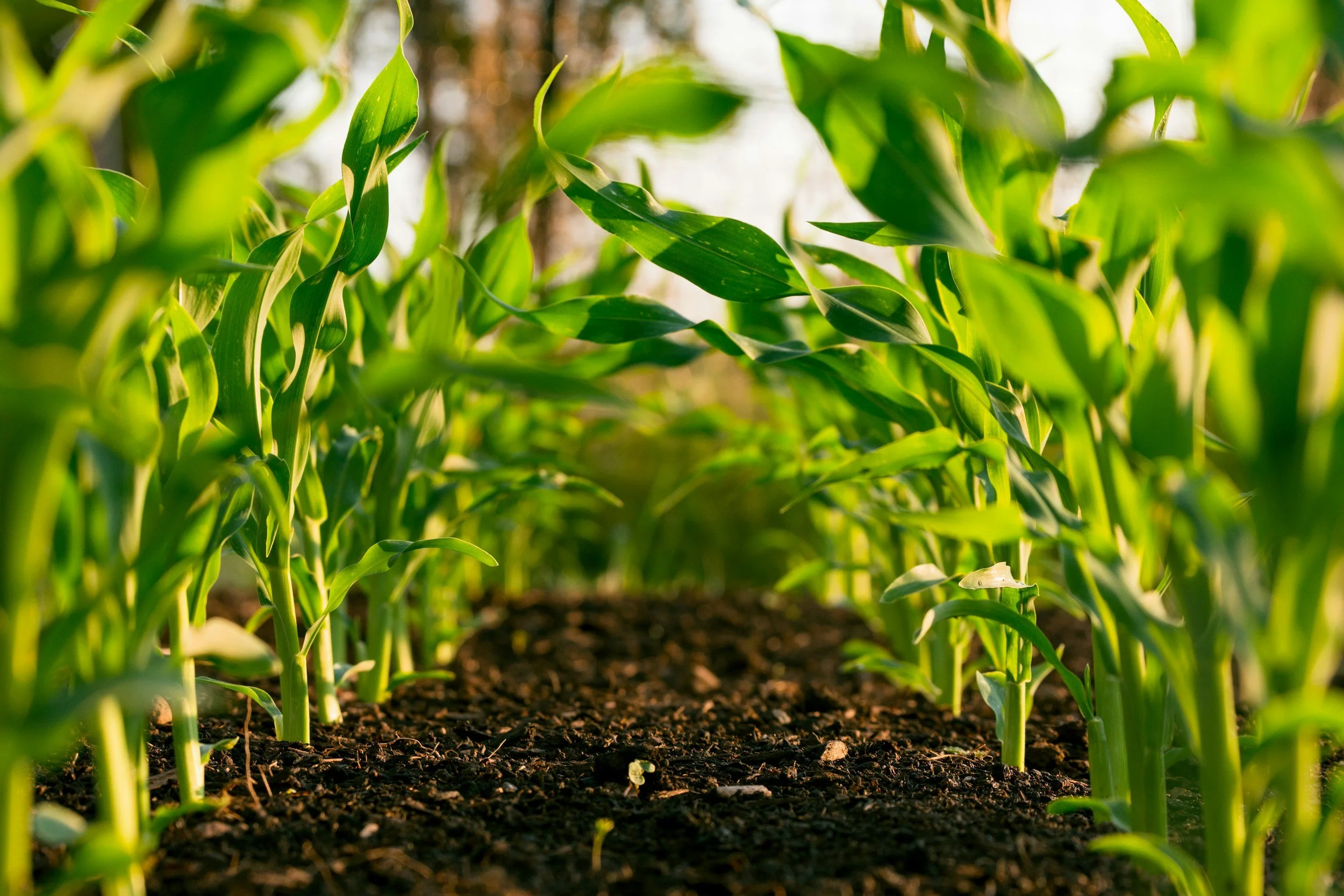
When thinking of an organic garden, many imagine vibrant greens, flourishing vegetables, and the fragrance of fresh herbs. However, the true lifeblood of any organic garden lies beneath the surface — the soil. Often underestimated, soil is not just dirt but a living entity teeming with microorganisms, organic matter, and nutrients that work together to nourish your plants. In North Carolina, where gardening thrives across various microclimates, understanding and nurturing soil health is critical to growing a bountiful organic garden.
Why Soil Health is Essential
Healthy soil is the foundation of any successful garden, especially an organic one. Unlike conventional gardening, which relies on synthetic fertilizers and pesticides, organic gardening depends entirely on the soil's natural ability to support plant life.
Healthy soil is:
Nutrient-rich: Provides plants with essential nutrients like nitrogen, phosphorus, and potassium.
Full of life: Hosts beneficial microbes that break down organic matter and improve soil structure.
Well-balanced: Maintains the right pH level and texture to support plant roots.
A water regulator: Retains moisture while allowing proper drainage, preventing root rot.
Without robust soil health, even the best gardening techniques can fall short.
Soil: A Living Ecosystem
Did you know that a single teaspoon of healthy soil contains more microorganisms than there are people on Earth? Soil is alive with bacteria, fungi, protozoa, and even earthworms that play crucial roles in plant health. These organisms help recycle nutrients, combat plant diseases, and create soil structure, making soil more than just an inert medium for plant roots.
By treating your soil as a living organism, you cultivate a garden that thrives naturally without relying on chemical inputs.
Why You Should Get Your Soil Tested
Soil testing is the first step in understanding what your soil needs to support your organic garden. A soil test provides insights into:
pH levels: Soil pH affects nutrient availability. In North Carolina, soils can vary widely, often leaning toward acidic. Most vegetables prefer a pH between 6.0 and 7.0.
Nutrient levels: The test identifies deficiencies in essential nutrients like nitrogen, potassium, and phosphorus.
Organic matter content: Knowing how much organic material your soil contains helps you decide on composting needs.
Micronutrients: Elements like calcium, magnesium, and sulfur are critical to plant health but are often overlooked.
How Often Should You Test Your Soil?
For most organic gardens in North Carolina, testing your soil every 2-3 years is sufficient. However, if you’re starting a new garden, transforming your soil organically, or noticing issues with plant health, an annual test can be beneficial. Frequent testing ensures you’re addressing deficiencies promptly and making adjustments as needed.
How to Test Your Soil in North Carolina
North Carolina residents are fortunate to have access to resources like the North Carolina Department of Agriculture and Consumer Services (NCDA&CS) Agronomic Division, which provides affordable soil testing services. Here’s a step-by-step guide:
1. Collecting a Soil Sample
Gather tools: Use a clean trowel or soil probe and a bucket.
Choose sampling areas: Collect soil from several spots in your garden to get a representative sample. Avoid areas that are overly wet, near compost piles, or have been recently fertilized.
Dig to the right depth: For most gardens, dig 6-8 inches deep.
Mix and dry: Combine the soil samples in the bucket, removing debris like rocks and roots. Spread the soil on newspaper to air-dry for a day.
2. Submit Your Sample
Package about 1 pint of dry soil into a soil sample box, available from your local Cooperative Extension office.
Complete the NCDA&CS soil sample form, detailing your crop or garden type.
Send the sample to the NCDA&CS Soil Testing Laboratory.
3. Interpreting Your Results
Once your results are ready, you’ll receive a report outlining your soil’s pH, nutrient levels, and recommendations for amendments. These can guide your organic practices, such as adding compost or lime to adjust pH.
DIY Soil Testing for Specific Nutrients
While laboratory tests provide the most accurate results, you can perform basic tests at home for quick insights.
Testing Soil pH
Materials: Distilled water, white vinegar, and baking soda.
Mix soil with distilled water to form a slurry.
Add vinegar to the slurry. If it bubbles, your soil is alkaline.
Add baking soda to another slurry sample. If it fizzes, your soil is acidic.
Nitrogen Levels
Use a home soil test kit available at garden centers. These kits usually involve mixing soil with a chemical reagent that changes color based on nitrogen content.
Organic Matter Content
The “jar test” involves placing soil in a glass jar with water, shaking it, and letting it settle. Organic matter floats, while sand, silt, and clay settle in layers.
Building Organic Soil Health
Once you understand your soil’s condition, improving its health is the next step. Here’s how to enrich your North Carolina soil naturally:
1. Add Organic Matter
Use compost made from kitchen scraps, yard waste, or local sources.
Incorporate well-rotted manure for added nutrients.
2. Practice Crop Rotation
Rotating crops prevents nutrient depletion and disrupts pest cycles.
3. Plant Cover Crops
Cover crops like clover or rye replenish nutrients and improve soil structure.
4. Avoid Over-tilling
Tilling disrupts soil organisms and compacts soil over time. Use minimal tilling techniques.
5. Mulch Regularly
Apply organic mulches, such as wood chips or straw, to retain moisture, suppress weeds, and add nutrients as they decompose.
Organic Gardening in North Carolina: Unique Challenges and Solutions
North Carolina’s diverse climate zones — coastal, piedmont, and mountain — influence soil composition and gardening practices. Coastal soils may have high sand content, while piedmont soils often lean toward clay. Each type requires tailored organic amendments to optimize growth.
Coastal: Add organic matter to improve water retention.
Piedmont: Mix sand and compost to enhance drainage and aeration.
Mountains: Ensure adequate pH adjustment using lime for acidic soils.
Nurturing soil health isn’t just about growing plants; it’s about cultivating a sustainable, thriving ecosystem. By viewing soil as a living entity and investing time in testing and improving it, you’re laying the groundwork for a lush organic garden that gives back more than it takes. Start with your soil, and watch your garden — and the joy of gardening — flourish.