
The Winter Solstice & Outdoor Nature Play: Nurturing Wonder, Resilience, and Development in Young Children
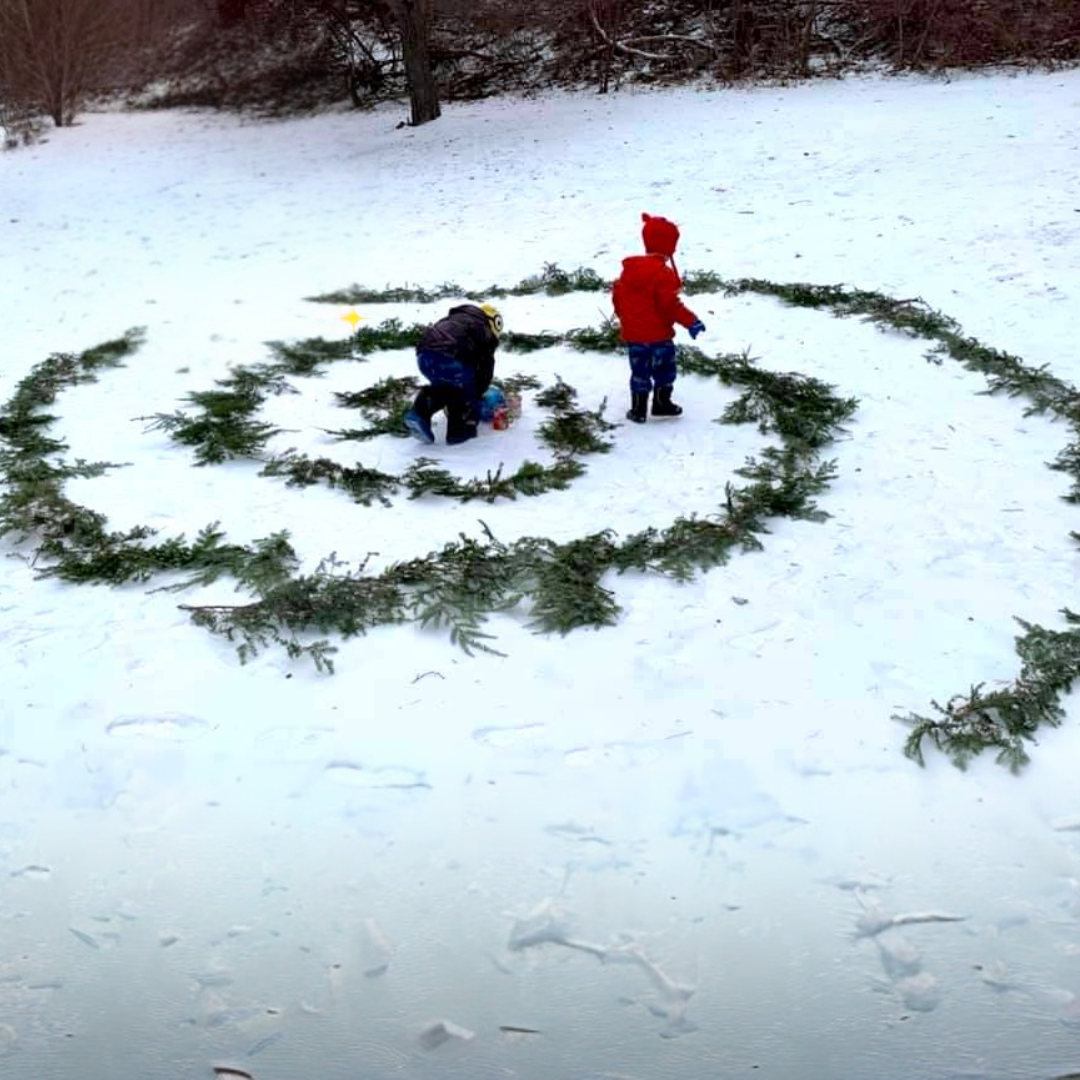
The Winter Solstice is one of nature’s most powerful and poetic moments. Occurring around December 21st in the Northern Hemisphere, it marks the shortest day and the longest night of the year. For centuries, humans across cultures have honored this turning point as a time of reflection, rest, and hope for the return of light.
For families, caregivers, and outdoor educators, the Winter Solstice offers something especially meaningful: a developmentally rich opportunity to slow down, tune in, and help children experience seasonal change through outdoor nature play. Rather than avoiding the darker, colder days, the solstice invites us to lean into them—supporting children’s emotional regulation, curiosity, resilience, and connection to the natural world.
This post explores why the Winter Solstice matters for young children, how outdoor play supports healthy development during this season, and simple, accessible ways families can honor the solstice together outdoors.
What Is the Winter Solstice?
The Winter Solstice occurs when the Earth’s axis tilts farthest away from the sun, resulting in the least amount of daylight all year. After this day, the sun slowly begins to return, and daylight increases minute by minute—a subtle but powerful shift.
For children, this concept doesn’t need to be taught with technical language. Instead, it can be experienced through observation:
The sun setting earlier
Longer shadows
Cooler temperatures
Bare trees and dormant gardens
Quieter landscapes and slower rhythms
The solstice is not just about darkness—it’s about transition. It marks the moment when the year begins turning back toward the light.
Why the Winter Solstice Is Meaningful for Children
Young children are natural observers of patterns. They notice when routines change, when days feel different, and when nature shifts. The Winter Solstice provides a concrete, sensory-rich way to explore big ideas such as:
Cycles and seasons
Change and impermanence
Rest and renewal
Light and darkness
Patience and hope
When children are invited to experience the solstice through outdoor play rather than abstract explanations, learning becomes embodied and meaningful.
How Outdoor Nature Play Supports Development During the Solstice Season
1. Emotional Regulation & Mental Health
Winter can bring shorter days, disrupted routines, and less sunlight—all of which affect children’s moods just as they do adults’. Outdoor play helps regulate emotions by:
Increasing exposure to natural light
Supporting circadian rhythms
Reducing stress hormones
Offering space for big feelings
Nature provides a calming, grounding environment where children can process emotions without pressure or overstimulation.
2. Physical Development & Resilience
Cold-weather outdoor play builds strength, coordination, and confidence. Navigating uneven ground, layering clothing, and adapting to changing weather all support:
Gross motor development
Balance and spatial awareness
Body autonomy
Resilience and adaptability
Children learn that discomfort doesn’t mean danger—and that they are capable of meeting challenges.
3. Cognitive Growth & Scientific Thinking
The Winter Solstice naturally introduces early science concepts:
Cause and effect (Why are days shorter?)
Observation and comparison
Time and sequencing
Weather patterns
Outdoor play during this season encourages curiosity and inquiry without worksheets or screens.
4. Sensory Integration
Winter landscapes offer unique sensory experiences:
Crunchy frost or frozen ground
Cold air on cheeks
Quiet soundscapes
Low-angle sunlight
These experiences help children integrate sensory input in a balanced, regulated way—especially important for toddlers and preschoolers.
5. Connection, Culture, and Belonging
Celebrating the solstice helps children understand that humans have always looked to nature for guidance. Sharing simple seasonal rituals builds:
A sense of belonging
Cultural awareness
Family traditions
Emotional security
Children don’t need elaborate ceremonies—just meaningful moments.
Why Learning About the Solstice Through Play Matters
When children learn about the solstice through outdoor play, they:
Experience learning as joyful, not performative
Build trust in their own observations
Develop respect for nature’s rhythms
Learn that rest is productive
Understand that darkness is part of growth
These lessons lay the foundation for lifelong emotional intelligence, environmental stewardship, and self-awareness.
Simple Ways to Honor the Winter Solstice Through Outdoor Play
These activities are intentionally low-prep, flexible, and accessible for families, caregivers, and early childhood programs.
1. Solstice Nature Walk
Take a slow walk at sunrise or sunset. Invite children to notice:
How long shadows are
Where the sun sits in the sky
What plants look like in winter
Ask open-ended questions like:
“What do you notice today?”
“How does winter feel different?”
No answers required—just noticing.
2. Lantern Walk or Light Walk
Create simple lanterns using jars, LED candles, or paper bags. Take an early evening walk to symbolize carrying light through darkness.
This supports:
Emotional regulation
Mindfulness
A sense of ritual and safety
3. Shadow Play
Use the low winter sun to explore shadows:
Trace shadows on the ground
Compare shadow lengths
Play with body shapes
This builds early math, science, and body awareness.
4. Nature Offerings or Mandalas
Invite children to gather natural materials and arrange them in a circle or pattern outdoors. Talk about:
Letting go
Thanking the earth
Honoring the season
This supports creativity, mindfulness, and fine motor skills.
5. Winter Sit Spot
Choose a quiet outdoor spot and visit it regularly throughout winter. Sit, listen, and observe for just a few minutes.
This practice builds:
Focus and attention
Emotional regulation
Connection to place
6. Fire & Warmth Exploration (Safely)
If appropriate, observe a small fire pit or light candles outdoors. Talk about warmth, light, and safety.
Alternatively, explore warmth through:
Hot tea in thermoses
Warm stones in pockets
Sun-warmed spaces
7. Storytelling Outdoors
Share simple stories about the sun returning, animals resting, or the earth sleeping. Invite children to create their own stories.
Storytelling supports language development, imagination, and emotional expression.
8. Seasonal Art with Natural Materials
Use sticks, mud, ice, leaves, or snow to create temporary outdoor art. Emphasize process over product.
Letting the Solstice Be Simple
Honoring the Winter Solstice does not require perfection, Pinterest-worthy crafts, or long explanations. Children benefit most from:
Presence over performance
Consistency over complexity
Experience over explanation
Outdoor play during the solstice teaches children something deeply countercultural: that slowing down is valuable, darkness is not something to fear, and rest is part of growth.
A Final Reflection
The Winter Solstice reminds us that even in the darkest season, change is happening beneath the surface. When we invite children to experience this truth through outdoor nature play, we give them tools for resilience, empathy, and lifelong learning.
By honoring the solstice outdoors—with curiosity, warmth, and wonder—we help children grow not just academically, but emotionally, socially, and spiritually.
And perhaps, in doing so, we grow alongside them.
What to join in on our Winter Solstice Hike to celebrate this new season? You can sign up to join us here!