
Why Outdoor Play is Essential for Your Child’s Health and Development—Even in Winter
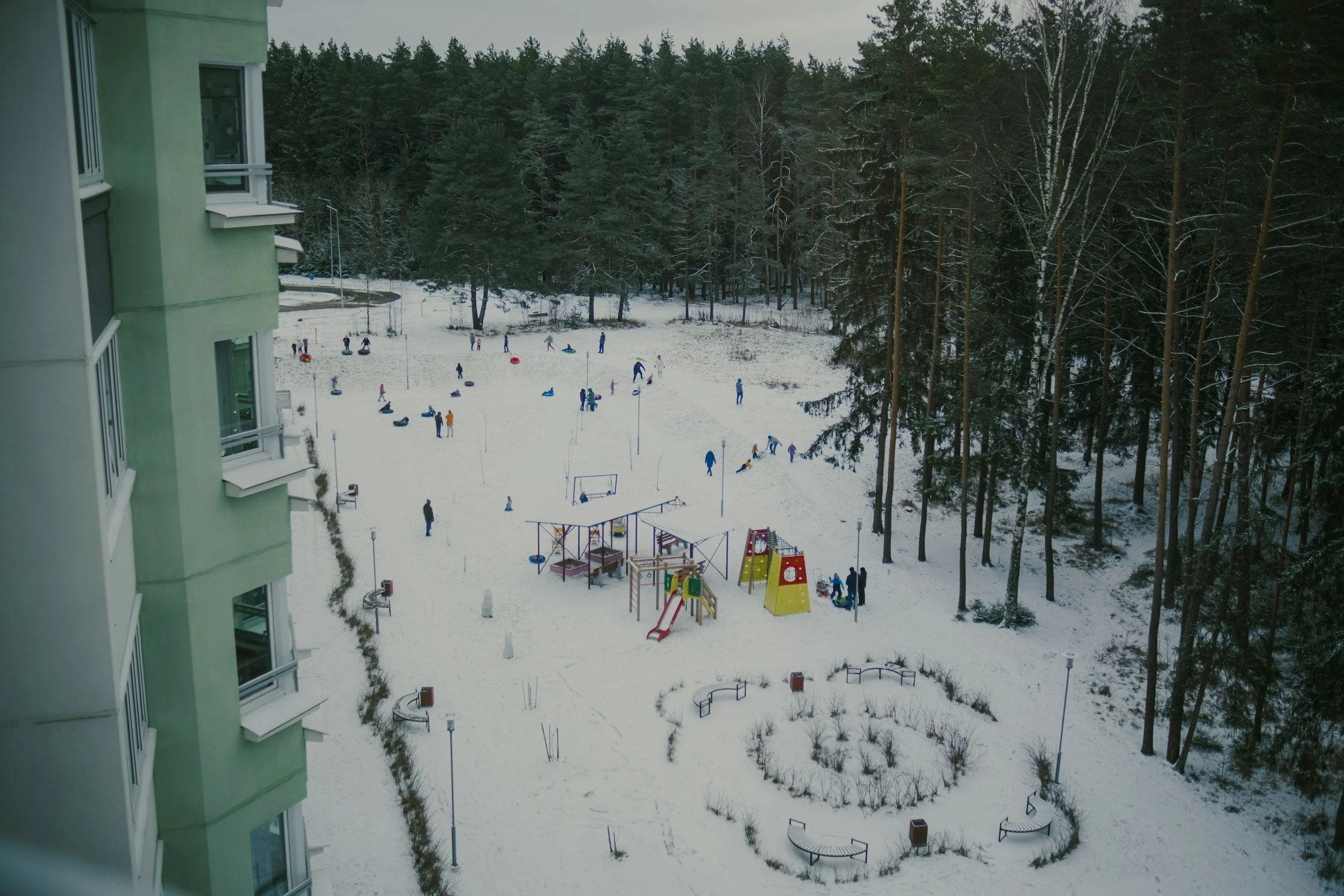
As the temperature drops and winter settles in, many parents and caregivers are tempted to retreat indoors, believing that outdoor play is best left for warmer months. But did you know that outdoor play during the winter is just as essential for your child's health and development? In fact, bundling up and heading outside can provide unique benefits that indoor play simply can't replicate.
In this post, we’ll explore why outdoor play is crucial for children aged 1.5 to 8, the developmental milestones it supports, and how you can safely and comfortably encourage your little ones to enjoy nature year-round. If you're in the Triangle area, you'll also find local resources and tips tailored to our beautiful region.
The Benefits of Outdoor Play—Even in Cold Weather
1. Physical Health and Immune System Boost
Spending time outdoors in the fresh air boosts your child's immune system, making them more resilient to seasonal illnesses. Cold weather play also encourages physical activity, which:
Improves cardiovascular health.
Enhances gross motor skills like running, jumping, and climbing.
Promotes better sleep patterns, as physical exertion helps regulate sleep cycles.
A study by Harvard Health even shows that children who play outside regularly experience fewer colds and flu during the winter.
2. Mental Health and Emotional Well-being
Nature has a calming effect on children and helps reduce anxiety and stress. Winter’s quieter, less crowded outdoor spaces provide a peaceful environment for children to:
Build emotional resilience.
Develop mindfulness and an appreciation for nature’s seasonal changes.
Experience sensory play with different textures like crunchy leaves, snow, or icy puddles.
The lack of sunlight during winter can contribute to mood dips, but regular outdoor exposure increases natural light intake, which helps regulate mood and energy levels.
3. Cognitive Development and Problem-Solving Skills
Outdoor play in winter stimulates critical thinking and problem-solving in ways indoor play can’t. Whether it’s figuring out how to navigate icy terrain, building a fort with limited resources, or observing how animals adapt to the cold, children are constantly learning.
STEM Skills: Outdoor exploration introduces concepts of science, technology, engineering, and math.
Creativity: Open-ended play fosters imagination as children invent games, build structures, or create art with natural materials.
4. Social Skills and Empathy
Playing outside with peers or caregivers enhances social interactions and fosters empathy. Children learn to:
Cooperate and collaborate during group activities.
Take turns and practice patience.
Empathize with others, including animals and plants adapting to winter conditions.
Overcoming Common Barriers to Outdoor Play in Winter
1. “It’s Too Cold!”
Layering is key! Dress your child in moisture-wicking base layers, insulating mid-layers, and waterproof outerwear. Don’t forget warm hats, gloves, and thick socks. The rule of thumb is to dress your child in one more layer than you would wear.
2. “It’s Hard to Find Activities”
Here are some fun, winter-specific outdoor activities for toddlers and preschoolers:
Nature Scavenger Hunt: Search for winter birds, animal tracks, or different types of leaves.
Snow Art: Use food coloring and water in spray bottles to “paint” the snow.
Obstacle Courses: Set up a winter obstacle course using natural elements like logs, rocks, and snow mounds.
3. “It’s Not Safe”
Safety is a valid concern, but with proper preparation, outdoor play can be safe and enjoyable:
Always supervise young children.
Avoid icy areas where slipping is a risk.
Keep outdoor sessions short if temperatures drop too low, and ensure kids are warm and dry.
Local Resources for Outdoor Play in the Triangle Area
If you’re in Raleigh, Durham, or Chapel Hill, you’re in luck! The Triangle area is full of parks, trails, and nature preserves perfect for winter exploration. Here are a few favorites:
Eno River State Park: Great for short winter hikes and nature observation.
Durham’s West Point on the Eno: Offers open spaces for free play and exploration.
NC Botanical Garden in Chapel Hill: Even in winter, it’s a beautiful spot for guided nature walks.
William B. Umstead Park: Where we host most of our Monthly family friendly hikes in Raleigh
Join Our Nature-Based Winter Program
If you’re looking for structured outdoor play that nurtures creativity, empathy, and problem-solving, consider enrolling in our Nature-Inspired Play-Based Caregiver and Me Program.
We meet once a week during the winter season and explore the beauty of nature in the Triangle area. Our sessions are designed to:
Foster your child’s physical, cognitive, and emotional development.
Provide opportunities for social interaction in a small, supportive group.
Help caregivers connect with their children and other like-minded families.
Ready to explore? Enroll now and experience the magic of outdoor play this winter!
Conclusion
Don’t let the colder months keep you and your child indoors. With the right preparation, outdoor play in winter can be a fun, enriching experience that supports your child’s health and development. Bundle up, step outside, and watch your little one thrive!