

Where gardening, homesteading, family, and simple sustainable living all come together.
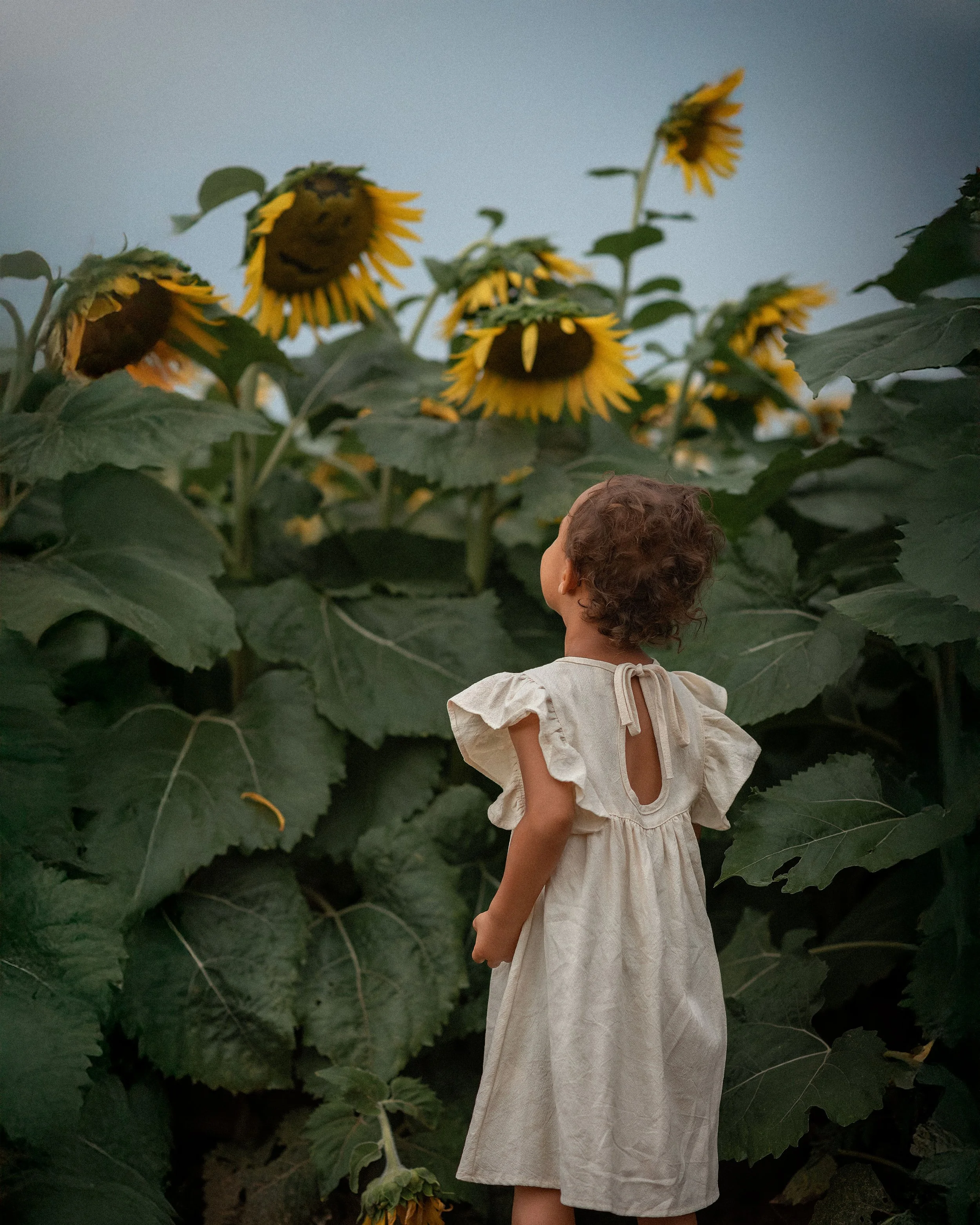

Gardening is for everyone, and everyone should be doing it!
There are countless benefits to gardening. The obvious one, you get to eat what you grow! Along with knowing exactly where your food came from and knowing which types of chemicals (if any) were used on it. You will also have a guaranteed increase in fruit and veggie consumption, and a whole new appreciation of food. Besides all of that, one can gain a tremendous amount of knowledge about themselves, others and the world in general when you garden. Gardening is the perfect way to start taking control of your own physical and mental health.
I can hear some of you reading this and thinking…….Hold up, Hold up, all of that sounds good and well but gardening is for the affluent, well-off, hobbyist with money to blow and land galore. Well folks, I’m here to tell you that that’s just not the case! Gardening is for everyone. I mean it! It’s for the well-off & the less so. It’s for the hobbyist & the busy mompreneurs on the go. It’s for the long time vegan & the newly health conscious. It’s for the seasoned survivalist & the newbie environmentalist. It’s for the able bodied & the disabled. It’s for males and females. It’s for adults and for children. If you eat, then gardening is for you!
So why do so many people tend to think it’s not for them???
The first obstacle that most people come up against is the thought of the garden being a huge expense. Yes, some garden projects can be expensive but not all of them have to be. There are many ways to garden on a budget. You can keep it small and use budget friendly materials such as plastic containers, grow bags, cinder blocks, pallets, or less expensive wood for raised beds. Also growing your plants from seed can be a major money saver. You could even join a local buy/sell/trade plant group on Facebook. Many times, other gardeners will have so many plants started that they just give them away. If the cost of starting a garden is holding you back, just remember that this garden will be an investment (small or large) in your health and future!
The second most common thing that stops people from beginning their garden adventure is usually not knowing where to start. The internet is glorious and great at providing loads and loads of information on every garden topic you can imagine. However, I’d be lying if I didn’t tell you how overwhelming and confusing it is to work through all of it. Many times, it’s hard to make heads or tails of most of it. That’s exactly what I’m here for ! If you would like someone to give you a clear, concise, step-by-step direction on where to start and how to proceed, it is my pleasure and life’s work to teach and share all the knowledge I’ve obtained from my 5+ years of gardening experience and advanced degree in Agricultural Education. I will always share what I know here on the blog and if you would like a little more personalization and one on one help, I’d be happy to give you a consult.
The final thing that I have heard from friends or clients that have not committed one hundred percent to the idea of a garden yet is TIME! Most of us have very busy lives with work, school, family, and social lives that we can’t imagine squeezing in one more time commitment. The good news is that all it takes is 10 – 15 minutes a day or an hour or two on the weekend to maintain and tend to your garden. I bet once you begin, you will be so eager to go out and discover the new things happening in the garden that you won’t even realize how much time you’ve managed to find in your schedule. If all else fails and you do find it difficult to squeeze in an hourly commitment once a week then Carolina Garden Coaching has got you covered. We are also here to service your maintenance needs.
Did I nail it? Were one or more of these reasons why you haven’t started your own kitchen garden? If you still have doubts about whether gardening is for you, send me an email at carolinagardencoaching@gmail.com and we will explore all the options and reasons why gardening is indeed for everyone………Including YOU!

Why Outdoor Play Is the Best Classroom for Young Children
As a mama and outdoor educator, I've witnessed firsthand how children truly blossom when they're given the freedom to explore the world around them. Nature offers a rich classroom for young minds—free from screens, packed with learning moments, and overflowing with connection. Here's why outdoor play is more than just fun—it’s foundational.

As a mama and outdoor educator, I've witnessed firsthand how children truly blossom when they're given the freedom to explore the world around them. Nature offers a rich classroom for young minds—free from screens, packed with learning moments, and overflowing with connection. Here's why outdoor play is more than just fun—it’s foundational.
1. Builds Empathy & Problem-Solving
When children play outside—planting seeds, caring for plants, interacting with critters—they develop compassion, cooperation, and a sense of responsibility. These are the very traits our adult world is increasingly in need of. Learning to empathize with nature and peers this way helps children grow into more considerate, emotionally intelligent individuals, better equipped to navigate the challenges of daily life.
2. Encourages Risk-Taking
Outdoor play teaches valuable lessons in risk assessment—but it doesn't mean letting children do dangerous things. Instead, we guide them gently to recognize the difference between truly hazardous situations and challenges that require courage and perseverance to overcome. In doing so, we're raising kids who can assess, try, fail, and try again—building resilience safely and thoughtfully.
3. Improves Health & Focus
There’s hard evidence behind what we feel: outdoor play boosts both physical health and mental focus. One systematic review found time in nature is associated with better self-esteem, resilience, cognition, and academic performance in children aged 3 to 12, while also increasing physical activity and reducing sedentary time PMC+1.
UNICEF reports that outdoor play improves concentration and school readiness through enhanced social skills and mental well-being UNICEF. Studies also show that nature restores attention and reduces fatigue, supporting the Attention Restoration Theory, which explains how “soft fascination” from natural environments helps renew our ability to focusen.wikipedia.org+1.
4. Creates Family Connection
Caregivers often share that attending our Nature Sprouts sessions has been transformative—not just for their kids, but for themselves. Being in nature with their children, slowing down, playing together, and learning alongside them, many caregivers say they've grown as parents in ways they never expected. Reclaiming space outdoors means reconnecting with joy, intuition, and deep family bonds.
Final Thoughts
Outdoor play isn't just play—it’s the most enriching classroom there is.
It teaches empathy and cooperation, helping to fill gaps in how our society collaborates and cares.
It encourages wise risk-taking, not recklessness.
It supports physical strength and sharp attention, backed by peer-reviewed research.
It nurtures family connection, healing old wounds and forging new memories.
At Nature Sprouts Adventure Club, we invite your family to step outside, breathe deeply, and rediscover learning—and living—through play. Curious to learn more or sign up? I’m here to help your little sprout flourish in the best classroom there is: the great outdoors.

My Carolina Homestead
When most people think “homestead,” they imagine wide-open fields, barns, and endless rows of crops. But my family and I are living proof that you can build a sustainable, self-sufficient lifestyle right here in the suburbs of Raleigh — with just a little backyard and a big dream.
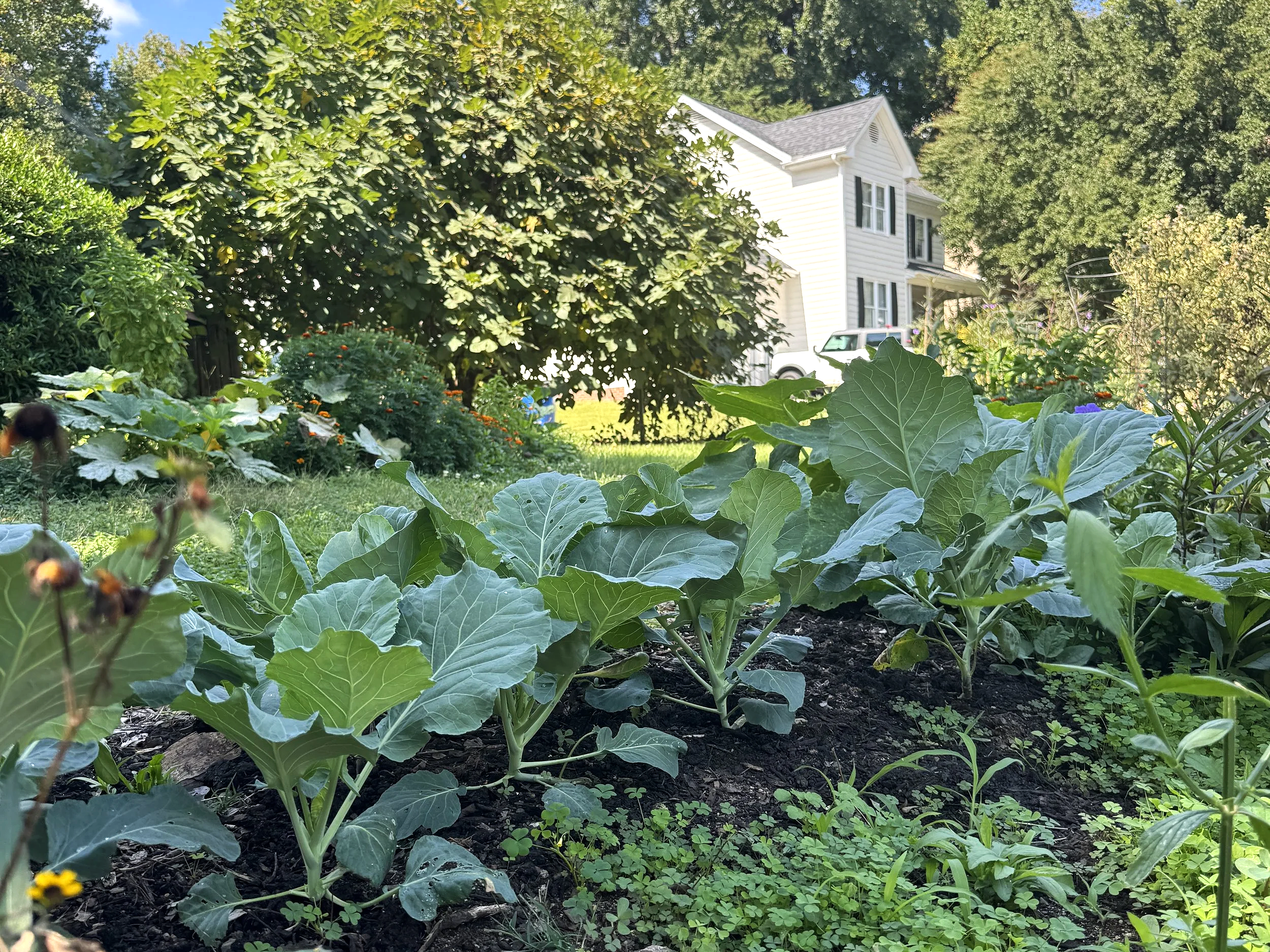
Our Urban Homestead Journey: Building a Sustainable Life in the City
When most people think “homestead,” they imagine wide-open fields, barns, and endless rows of crops. But my family and I are living proof that you can build a sustainable, self-sufficient lifestyle right here in the suburbs of Raleigh — with just a little backyard and a big dream.
The most important rule of homesteading? Start where you are. You don’t need acres of land, a flock of animals, or a perfectly laid-out plan to begin. You can homestead in a single raised bed, a few containers on your balcony, or even by changing the way you approach food and waste in your home. Homesteading isn’t about perfection — it’s about progress, mindset, and connection.
Here’s what our journey has looked like so far:
1. Growing Our Own Food
We started with a 900 sq. ft. backyard garden — enough to grow fresh vegetables, fruit, and flowers year-round for our family and even sell extras at the farmers market. But you don’t have to have a lot of land to homestead. You can start exactly where you are, even if that means a few pots of herbs on your windowsill, a container of tomatoes on your porch, or a small raised bed tucked into the corner of your yard.
You’d be surprised at what you can grow with a little dirt, a little sun, some water, and the right attitude. The key is simply to start.
2. Reducing Waste
Homesteading goes far beyond the garden — it’s about creating systems that honor the earth and keep life sustainable. One of the most powerful principles we follow is closing the circuit, a permaculture concept that encourages us to keep as much of what we create on the property, on the property.
That means composting kitchen scraps instead of throwing them away, repurposing eggshells into garden nutrients, and using rainwater to hydrate our beds. Every loop we close keeps our homestead healthier, reduces dependence on outside inputs, and makes us more resilient.
3. Creating Community
One of the myths about homesteading is that it’s a solitary pursuit — just you and your land, “living off the grid.” The truth? Homesteading thrives in community. Being intentional about opening up your space, sharing your abundance, and connecting with fellow humans is a necessity.
Neighbors who swap produce, friends who lend tools, and a community that values sustainability make this life not only easier but more joyful. When we choose connection over isolation, everything runs more smoothly.
4. Teaching Our Kids
One of my greatest joys is raising my children on the land — watching them plant seeds, feed the chickens, and run barefoot through the garden. This is how children should be raised: close to the land and surrounded by love and light, while gaining deeply important life skills.
They’re learning where their food comes from, how to care for animals, and the value of patience, responsibility, and respect for nature. These lessons are far more valuable than anything in a textbook, and they’ll carry them for life.
Final Thoughts
Homesteading is so much bigger than gardening. It’s a lifestyle built on intention, resourcefulness, and connection. And the most important rule of all? Start where you are. You don’t even have to start with growing — you could begin with composting, reducing waste, learning to cook from scratch, or connecting with your community.
Homesteading isn’t about the size of your land. It’s about the size of your vision.
👉 Want to see how you can start your own homestead journey, right where you are? Sign up for my newsletter to get tips, DIY projects, and resources straight to your inbox.
Beginner’s Guide to Gardening in North Carolina’s Piedmont
Gardening in North Carolina can feel overwhelming if you’re just starting out — the heavy clay soil, unpredictable weather, and endless plant choices can leave anyone second guessing. But I want you to know: you can grow a thriving garden here, no matter your space or budget.
Gardening in North Carolina can feel overwhelming if you’re just starting out — the heavy clay soil, unpredictable weather, and endless plant choices can leave anyone second guessing. But I want you to know: you can grow a thriving garden here, no matter your space or budget.
In this guide, I’ll walk you through the basics I share with all my coaching clients.
1. Start with the Soil
North Carolina’s Piedmont region is famous (or infamous!) for its red clay. In-ground gardening is absolutely doable, but it will cost you in the long run — not just in money for endless soil amendments, but in the time and energy it takes to keep that soil balanced and workable. Clay compacts easily, drains poorly, and can frustrate even experienced gardeners.
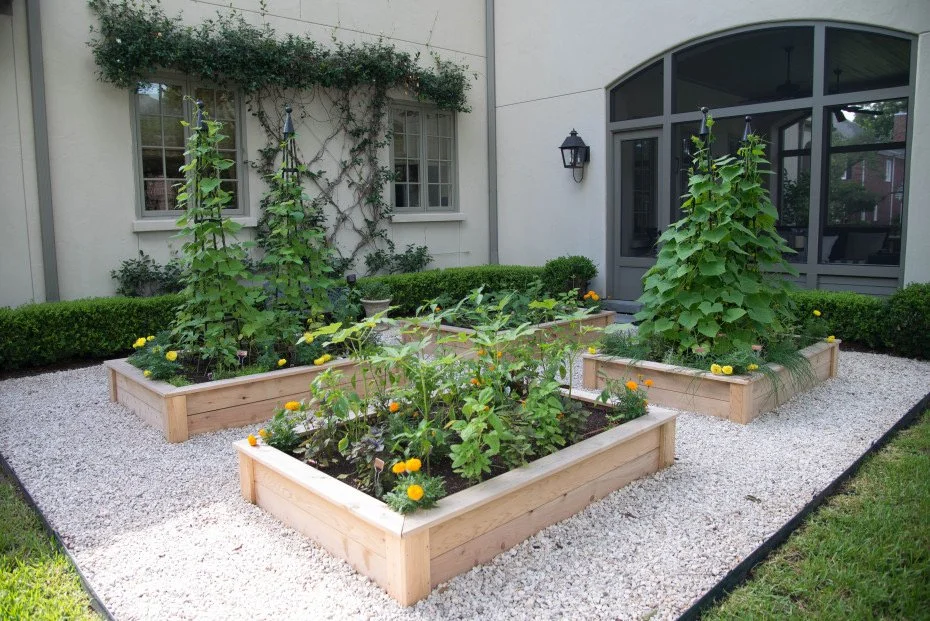
That’s why I encourage most beginners to start with raised garden beds. Yes, there’s an upfront cost to build and fill them, but the payoff is huge:
You get complete control over your soil from the start.
Weeds are less of a problem.
Beds warm up earlier in spring and hold moisture better in summer.
Success comes faster, with fewer headaches, so you build confidence and momentum.
Think of raised beds as an investment in your garden journey. Do it right once, and you’ll enjoy seasons of success.Be clear, be confident and don’t overthink it. The beauty of your story is that it’s going to continue to evolve and your site can evolve with it. Your goal should be to make it feel right for right now. Later will take care of itself. It always does.
2. Plant for the Season
One of the greatest gifts of gardening in Zone 8a is that we can grow food year-round with a little preparation and patience. Spring and fall bring cool-weather crops like leafy greens, peas, and carrots. Summer bursts with tomatoes, peppers, squash, and okra. Even in winter, you can harvest kale, collards, and root crops if you plan ahead and use row covers or cold frames.
When you understand our four true growing seasons, there’s always something to look forward to in the garden. With a seasonal mindset, you’ll never have to experience that long “off season” many gardeners face elsewhere.
3. Water Wisely
Irrigation isn’t a luxury in our region — it’s a necessity. Between scorching summer heat and unpredictable rainfall, your plants can quickly suffer from being under-watered or over-watered.
A simple drip irrigation or soaker hose system will:
Save you hours of hand watering.
Deliver water right where plants need it — at the roots.
Keep foliage dry, reducing disease pressure.
Help you grow stronger, more resilient plants.
If you want to save your sanity (and your garden), make irrigation part of your setup from the beginning.
4. Keep It Simple
The easiest way to get overwhelmed in the garden is to do too much, too fast. Instead:
Choose 3–5 vegetables or herbs your family loves to eat.
Make a simple plan that fits your space, budget, and time.
Stick to that plan for your first season.
Gardening is a long game. You’ll learn so much by focusing on a small, manageable plot — and you can always add more in future seasons. Consistency is where success happens.
Final Thoughts
Whether you’re digging into clay or setting up raised beds, gardening in North Carolina’s Piedmont is rewarding, humbling, and deeply nourishing. With the right start, you can harvest food year-round, save yourself time and stress, and enjoy the process along the way.
👉 Ready to take the next step? Join my free beginner gardener community where I share seasonal tips, challenges, and hands-on workshops to help you grow with confidence.