
Be Ready, Not Rattled: How to Prepare Your Family for Natural Disasters and Severe Weather in Raleigh, NC
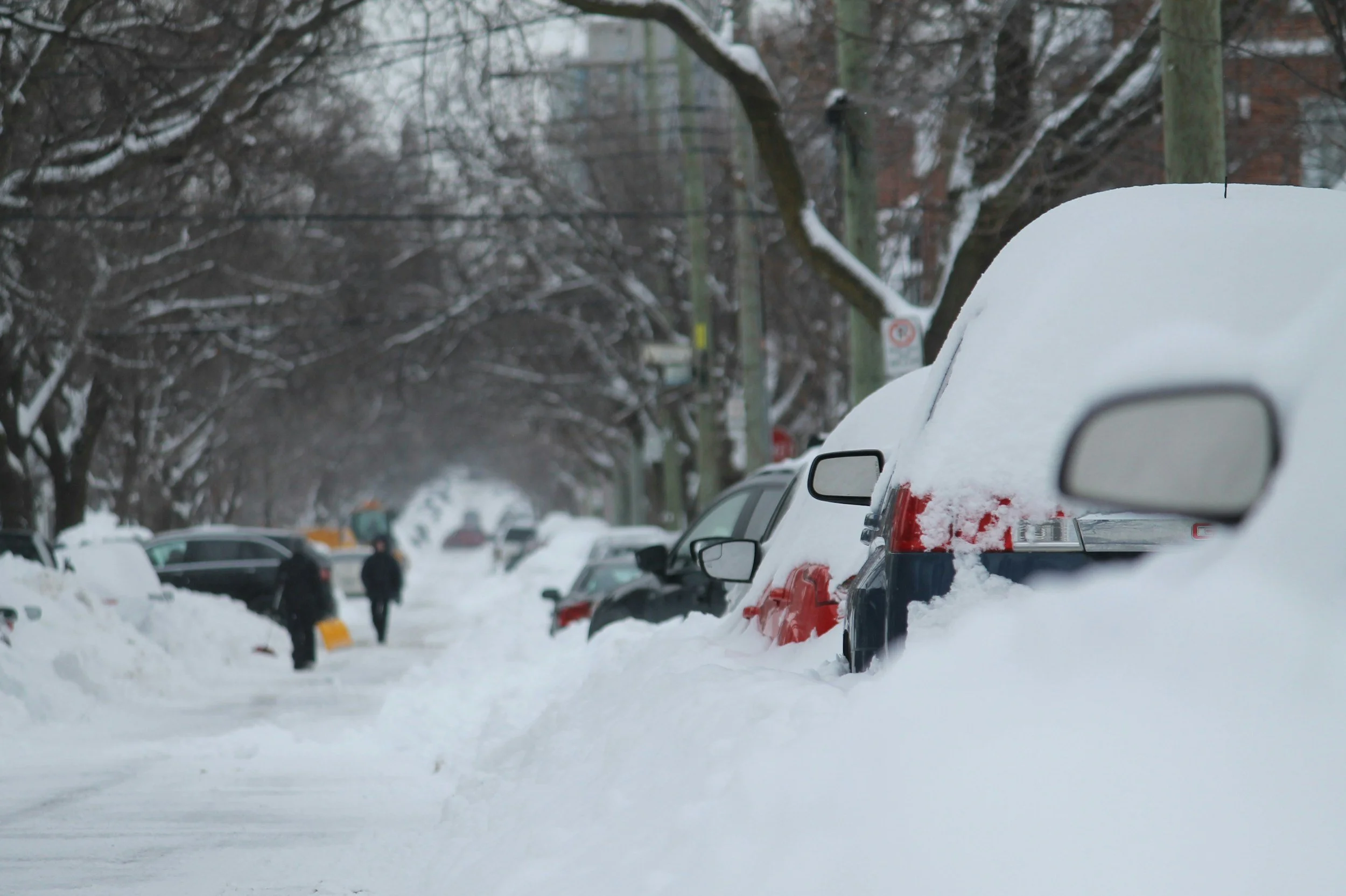
Severe weather and natural disasters are becoming more common—and more unpredictable. From winter storms and hurricanes to flooding and power outages, being prepared is no longer optional; it’s an act of care for your family, your neighbors, and your community.
Preparedness doesn’t mean panic. It means having a plan, knowing where to find reliable information, and making thoughtful choices before an emergency hits. For families in Raleigh and the greater Triangle area, local resources like the City of Raleigh’s Ready Raleigh Emergency Guide make it easier to prepare with confidence.
Why Emergency Preparedness Matters
When a storm is approaching, supplies sell out quickly, information can become confusing, and stress levels rise—especially for families with children or pets. A simple emergency plan helps you:
Reduce fear and uncertainty
Respond quickly and safely
Avoid unnecessary risks
Support vulnerable neighbors
Protect children and pets during stressful situations
Preparedness also builds resilience. When households are ready, communities recover faster and emergency responders can focus on the most critical needs.
Step One: Create a Family Emergency Plan
A good emergency plan answers three basic questions: How will we communicate? Where will we go if we must leave? What will we do if we stay home?
According to the Ready Raleigh Guide, every household should:
Identify an out-of-state emergency contact everyone can call if separated
Teach children how and when to call 911
Decide on a family meeting place (inside and outside the home)
Learn how to safely shut off gas, water, and electricity
Make specific plans for pets, including carriers, leashes, and evacuation options
For families with young children, talking through the plan in a calm, age-appropriate way can help reduce fear if a real emergency occurs.
Step Two: Build a Home Emergency Kit
An emergency kit should support your household for at least three days without power. Keep it in a sturdy container and review it annually as your family’s needs change.
Core items recommended by the Ready Raleigh Guide include:
One gallon of water per person, per day
Shelf-stable food (including pet food)
Battery-powered radio and flashlights with extra batteries
First aid kit and necessary medications
Hygiene items and hand wipes
Cash and copies of important documents
Extra clothing and blankets
Special items for infants, children, and pets
During winter storms specifically, additional supplies like extra blankets, warm clothing layers, and ways to safely stay informed during power outages are especially important.
Step Three: Stay Connected to Local, Trusted Information
One of the most important parts of preparedness is knowing where to get accurate, local updates before, during, and after an emergency.
Raleigh residents should bookmark and follow:
Ready Raleigh Emergency Guide (digital and printable formats available)
Wake County emergency alerts via ReadyWake
Local news and weather stations
National Weather Service Raleigh
NOAA Weather Radio for the Triangle area
Make sure Wireless Emergency Alerts (WEA) are enabled on your phone so you receive time-sensitive warnings automatically.
Preparedness Is Also About Community
Emergencies don’t just affect individual households. Neighbors are often the first line of support—especially for older adults, families with young children, or people with mobility or medical needs.
Before a storm:
Check in with neighbors
Share contact information
Offer help securing outdoor items or gathering supplies
After a storm:
Follow up
Share information with first responders if needed
Continue checking on one another
Strong communities save lives.
Free Winter Storm Emergency Checklist
With a record-setting winter storm potentially heading toward central North Carolina, now is the time to prepare. To make it easy, I’ve created a Winter Storm Emergency Preparedness Checklist designed specifically for families with children and pets.
Download the free checklist for a quick, clear reference you can use right now and keep on hand for future storms.
Preparedness doesn’t have to be overwhelming. With a plan, the right resources, and a little advance effort, you can face severe weather with confidence—and help your family feel safe no matter what’s happening outside.