
The Importance of Composting at Home: A Simple Way to Feed Your Garden and Help the Planet
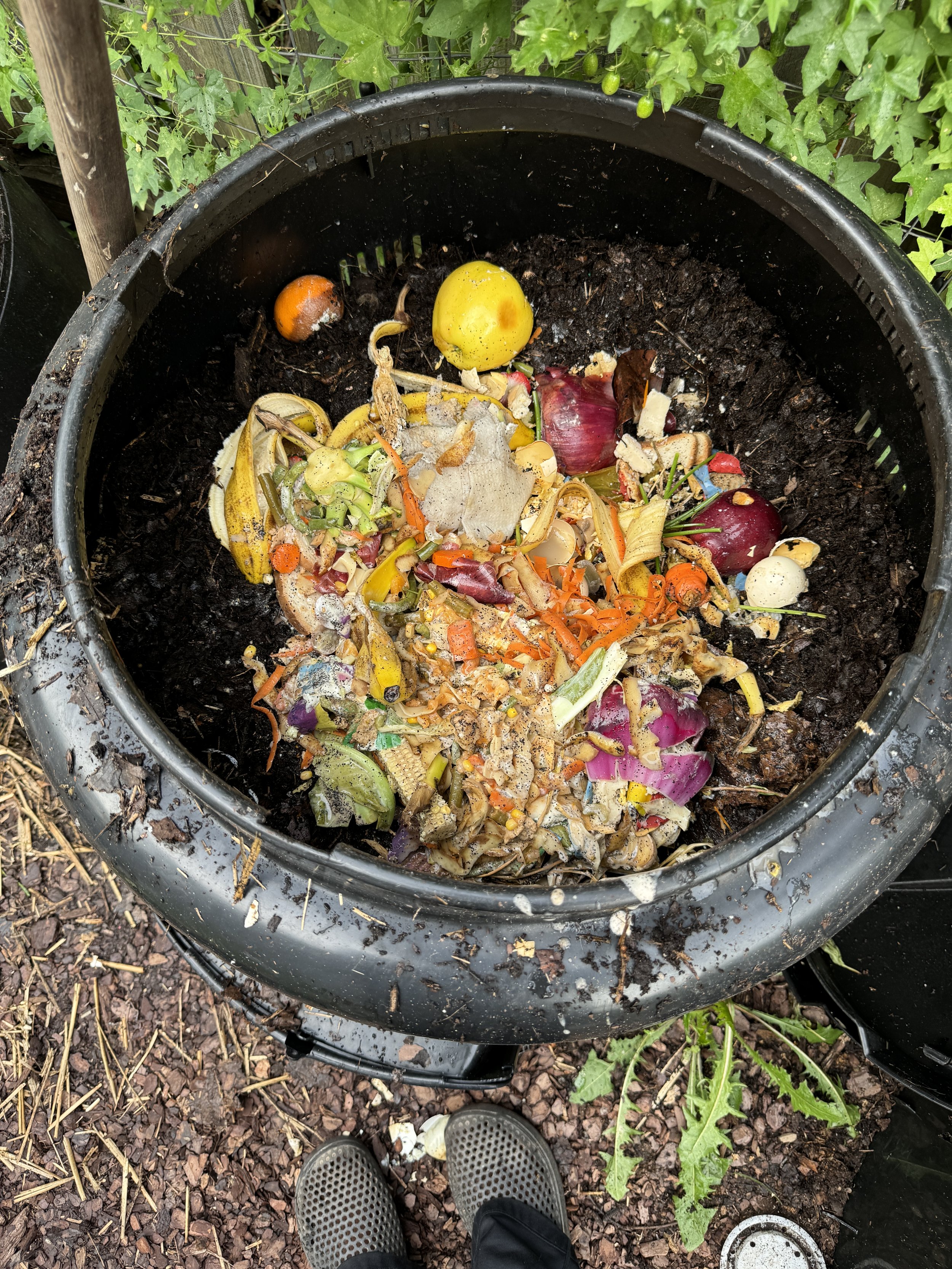
If you’ve ever tossed vegetable scraps, coffee grounds, or fallen leaves into the trash, you may be surprised to learn that you’re throwing away one of the most valuable resources for your garden — compost material. Composting at home is one of the easiest and most rewarding ways to reduce waste, build healthier soil, grow nutrient-rich food, and teach children about the natural cycle of life.
The best part? Composting doesn’t have to be complicated, expensive, or time-consuming. Whether you have a sprawling backyard garden or a few pots on a patio, anyone can start composting at home.
What Is Composting?
Composting is the natural process of breaking down organic materials into rich, dark soil often called “black gold” by gardeners. Food scraps, leaves, grass clippings, cardboard, and other natural materials decompose over time with the help of beneficial microorganisms, worms, oxygen, and moisture.
Instead of sending those materials to a landfill where they create harmful methane gas, composting transforms them into nutrient-rich organic matter that feeds your garden naturally.
Think of compost as nature’s recycling system.
Why Composting Matters for the Planet
Food waste is one of the largest contributors to landfills in the United States. When organic waste is trapped in landfills without oxygen, it releases methane — a greenhouse gas that contributes to climate change.
By composting at home, families can:
Reduce household waste
Lower methane emissions
Improve soil health naturally
Reduce the need for synthetic fertilizers
Help conserve water by improving soil moisture retention
Healthy soil also plays a major role in growing healthier plants. Nutrient-rich soil supports stronger root systems, better harvests, and more resilient gardens.
The Benefits of Composting for Your Garden
One of the biggest reasons gardeners love composting is because it creates free fertilizer right at home.
Finished compost helps:
Improve soil structure
Feed beneficial microbes
Add important nutrients back into the soil
Increase water retention
Reduce soil erosion
Support stronger plant growth
Whether you’re growing tomatoes, herbs, flowers, or leafy greens, compost helps plants thrive naturally without relying heavily on chemical fertilizers.
And if you’re growing food for your family, healthy soil directly impacts the quality and nutrient density of the food you eat.
Composting Is Easier Than You Think
Many beginner gardeners assume composting is difficult or messy, but getting started can actually be incredibly simple.
At its most basic level, composting is simply balancing two types of materials:
Greens (Nitrogen-Rich Materials)
These materials provide moisture and nitrogen:
Fruit and vegetable scraps
Coffee grounds
Tea leaves
Fresh grass clippings
Eggshells
Browns (Carbon-Rich Materials)
These materials provide carbon and airflow:
Dry leaves
Cardboard
Newspaper
Paper towel rolls
Straw or dried plant material
A good rule of thumb is to use roughly 2–3 parts browns to 1 part greens.
Layer the materials together, keep them slightly damp like a wrung-out sponge, and occasionally turn the pile to introduce oxygen. Over time, nature does the hard work for you.
Family-Friendly Composting Ideas
One of the most beautiful things about composting is how easily it becomes a family activity. Children naturally love digging in the soil, collecting leaves, and observing worms and insects at work.
Composting creates endless opportunities for hands-on learning:
Exploring decomposition
Learning about insects and soil organisms
Understanding sustainability
Connecting food scraps to food growth
Building responsibility through garden care
Even toddlers can help toss vegetable scraps into a compost bucket or collect leaves for the pile.
For homeschooling families or nature-loving parents, composting can become a simple science lesson happening right in your backyard.
Beginner Composting Options
There’s no “perfect” way to compost. The best method is simply the one you’ll actually stick with.
Some beginner-friendly options include:
Backyard Compost Pile
A simple pile or bin in the yard works great for many families.
Tumbling Compost Bin
Easy to turn and faster to break materials down.
Vermicomposting
Also known as worm composting, this method uses red wigglers to break down kitchen scraps and works well for small spaces.
Trench Composting
Bury food scraps directly in garden beds and let them break down naturally underground.
Start small. Even composting one kitchen scrap container per week makes a difference.
Composting Creates a Full-Circle Garden
One of the most rewarding parts of composting is seeing the full cycle come together:
You grow food.
You save the scraps.
The scraps become compost.
The compost feeds the soil.
The soil grows more healthy food.
It’s a simple practice that helps families reconnect with nature while reducing waste and building healthier gardens from the ground up.
And once you start seeing the difference compost makes in your soil and plants, it’s hard to stop.
Ready to Learn More About Gardening Naturally?
If you’re excited about creating a healthier garden, growing your own food, and learning simple homesteading skills alongside a supportive community, we’d love to have you join us.
Inside the garden community, we share:
Beginner-friendly gardening tips
Seasonal planting guides for North Carolina
Composting tutorials
Organic gardening methods
Family-friendly nature activities
Encouragement for busy moms and beginner gardeners
Whether you’re starting with a single compost bucket or building your dream garden one step at a time, you don’t have to do it alone.
Join our growing garden community today and start turning everyday scraps into something beautiful.